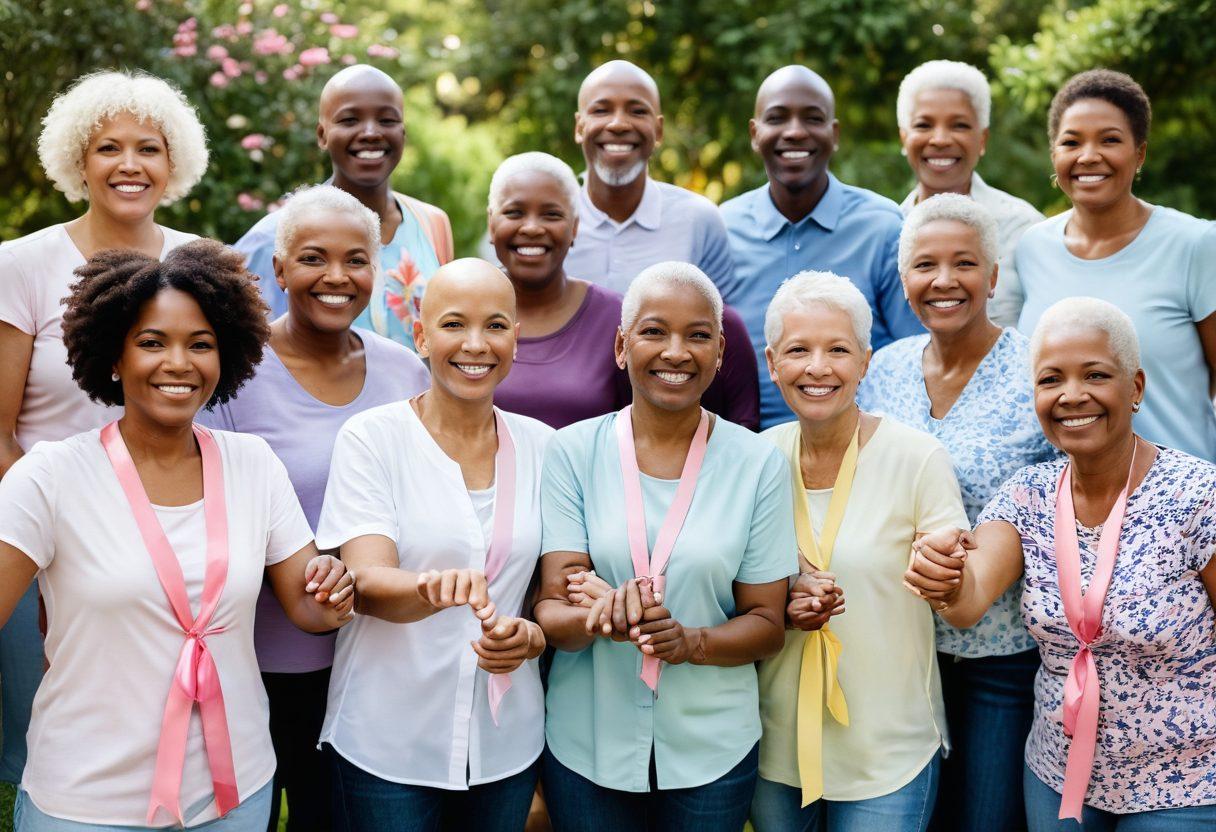
Empowering Cancer Warriors: A Comprehensive Guide to Oncology Support and Survivorship
Navigating the path to wellness as a cancer warrior is no small feat. Each journey is unique, filled with both challenges and breakthroughs that echo the strength of the human spirit. As you stride through cancer treatment, understanding essential oncology support strategies can be your beacon of light. Whether you are currently undergoing chemotherapy, exploring immunotherapy, or embracing alternative medicine, it’s vital to arm yourself with knowledge, compassion, and community support. After all, sometimes the best medicine is not just found in the hands of our oncologist, but in the shared experiences with fellow cancer survivors who have walked this path before us.
The role of an oncologist extends beyond administering cancer therapy. These dedicated professionals serve as your guiding star in the tumultuous sky of cancer treatment. But remember, they are part of a larger support system that includes not just medical advice, but emotional and community support as well. Did you ever wonder how strong the power of connection can be? Many cancer survivors share stories of how joining support groups or engaging with health blogs helped normalize their experiences, combatting feelings of isolation and fear. You can harness this same force by seeking out local patient advocacy organizations or online communities that resonate with your journey.
Let’s talk about wellness! It isn’t merely the absence of illness; it’s a holistic lifestyle choice that encompasses diet and nutrition, mental health, and palliative care. Nutrition plays a critical role during treatment; what you choose to put on your plate can bolster your spirit as well as your body. A balanced diet rich in fruits, vegetables, and whole grains might just be the fuel you need to combat those pesky treatment side effects. Have you considered how your eating habits can contribute to your quality of life? It’s a simple yet powerful adjustment that can lead to significant improvements in your overall health awareness.
As we traverse the landscape of cancer support, symptom management is another chestnut we ought to crack open. Ever found yourself wondering how to handle the emotional rollercoaster that comes with cancer treatment? Incorporating mental health resources, such as therapy or mindfulness practices, can be incredibly enriching. They not only provide emotional support but also cultivate resilience. Remember, it’s perfectly alright to seek help when you feel overwhelmed—this act of self-love is a testament to your bravery as a cancer warrior, exemplifying that strength often lies in vulnerability.
Finally, it’s crucial to stay informed about the latest cancer research and advances in public health, particularly regarding early detection and preventive care. Engaging in clinical trials when appropriate can be an excellent way to access cutting-edge treatment options and contribute to the greater fight against cancer. Remember, no question is too small—your oncologist is there to provide clarity, and every single inquiry you have matters. Keep educating yourself and advocating for your own health; it’s an empowering step towards embracing life post-cancer.
From Diagnosis to Thriving: The Comprehensive Journey of Cancer Survivorship and Empowerment
Cancer is a journey—one that begins with a diagnosis that can shake your very core. But what if I told you that this journey doesn’t have to end in despair? Instead, it can herald a new chapter of life where you not only survive but thrive. In this health blog, we will delve deep into the comprehensive journey of cancer survivorship and empowerment, exploring not just the treatment options but also the emotional and holistic elements that can be pivotal to your quality of life. After all, becoming a cancer warrior is about much more than just battling the disease; it’s about taking control of your health and well-being.
The moment you hear the words, "You have cancer," a whirlwind of emotions hits like a tidal wave. Fear, confusion, hope, and uncertainty coexist as you try to comprehend what lies ahead. Engaging with your oncologist becomes an essential part of this journey, as they become your ally in navigating cancer treatment. From chemotherapy to immunotherapy and radiation therapy, understanding your options is critical. But remember, knowledge is power. As you explore cancer research and preventive care strategies, you’ll find that each piece of information helps to weave a tapestry of strength and resolve.
What if we flipped the script and viewed cancer not just as a disease but as a catalyst for transformation? That’s right! Many cancer survivors report life-altering shifts that lead them to a healthier lifestyle, prioritizing diet and nutrition, and investing in their mental health. The synergy of physical wellness, emotional support, and community advocacy can create a support network that fosters resilience. How can you build this community of support? Consider local cancer support groups or online platforms dedicated to cancer survivors. Connecting with those who share your journey can simplify the complexities of this rollercoaster ride.
Taking on the role of a patient advocate can be another empowering step in your survivorship journey. By engaging in open communication with your healthcare providers, asking questions about symptom management, and exploring alternative medicine options, you become the leading character in your own story. As cancer therapy evolves, so too do the resources available, including clinical trials that explore innovative treatments. Have you ever thought about how your experience might contribute to the greater good? Your voice can fuel health awareness and inspire others facing similar battles.
Remember, this journey is not just about surviving; it’s about thriving. As you embrace holistic health practices—aligning your physical, emotional, and spiritual well-being—you empower yourself. From the cancer blog discussions on lifestyle changes to actionable tips on improving your quality of life, there’s a wealth of resources at your fingertips. The road to recovery is paved with new habits, emotional resilience, and claims for a fulfilling life. Whether you're newly diagnosed or years into survivorship, embrace each moment, learn as you go, and help others along the way. After all, every warrior has a story worth sharing.
Building Resilience: Uniting Community Support, Medical Advancements, and Personal Advocacy in Cancer Care
In the journey of battling cancer, the road can often feel lonely and daunting. However, building resilience is about harnessing the power of community support, tapping into the advancements in medical science, and becoming your own best advocate. Imagine waking up one day after treatment, filled not only with the hope of survival but with a community of warriors beside you—each armed with knowledge, support, and shared experiences. This is what the fight against cancer can feel like when we unite our strengths and resources.
Community support plays an essential role in the lives of cancer survivors. The strength found in shared experiences often alleviates the heaviness of isolation. Think about the last time you faced a challenge; didn’t having someone by your side make it easier? This is true in oncology too. Survivors can drive valuable conversations about patient advocacy and accessible healthcare options, leading to better treatment pathways. While the road may be riddled with setbacks, the bonds forged in this community can remind you that you’re never alone in your fight.
As we delve deeper into building resilience, we cannot overlook the breakthroughs in cancer treatment that have transformed patient outcomes. From chemotherapy to immunotherapy and palliative care, innovative cancer therapies have ushered in new hope for patients. Have you considered how advancements in cancer research have enabled early detection and screening protocols? The reality is that the sooner cancer is detected, the earlier one can embark on a personalized treatment journey. Clinical trials also offer a beacon of hope for many, enabling access to novel treatments. Knowledge about these advancements should be part of every patient’s wellness toolkit.
Personal advocacy is paramount, especially when navigating the healthcare landscape. It often starts with an intriguing question: what does your body need? Understanding your own health story will position you to have informed discussions with your oncologist. By arming yourself with knowledge, you can prioritize your quality of life amidst treatment chaos. Basic things like maintaining a healthy lifestyle through diet and nutrition, managing symptoms, and recognizing the importance of mental health can drastically improve your day-to-day experience. The more informed you are, the more empowered you become.
Lastly, let’s not forget the emotional support that the journey demands. The integration of holistic health practices into cancer care can help nurture the mind and spirit. Activities like yoga, meditation, and support groups should be part of any cancer care plan. After all, the battle isn’t merely against the disease; it's a comprehensive fight for a fulfilling life. Remember, a warrior is not defined by the battles fought but by the resilience built along the way. In solidarity and strength, let’s embrace this journey together, for one warrior's victory can spark hope in another.